
Bookkeeping and Payroll: Understanding the Difference for Small Business Owners
Introduction to Bookkeeping and Payroll
For small business owners, handling finances can be a daunting task. Two critical areas that often cause confusion are bookkeeping and payroll. Understanding the distinction between these functions is essential for the smooth operation of your business.

What is Bookkeeping?
Bookkeeping is the process of recording all financial transactions made by a business. This includes sales, purchases, receipts, and payments. The primary goal is to maintain accurate and up-to-date records.
Key Responsibilities of Bookkeeping
- Recording daily transactions
- Managing accounts payable and receivable
- Reconciling bank statements
- Generating financial reports
A bookkeeper ensures that every financial transaction is documented correctly, providing a clear picture of the business's financial health.

Understanding Payroll
Payroll, on the other hand, refers to the process of compensating employees for their work. It involves calculating wages, withholding taxes, and ensuring that employees are paid on time.
Key Responsibilities of Payroll
- Calculating employee wages and salaries
- Withholding and remitting taxes
- Issuing paychecks or direct deposits
- Maintaining payroll records
Payroll accuracy is crucial, as errors can lead to unhappy employees and potential legal issues.
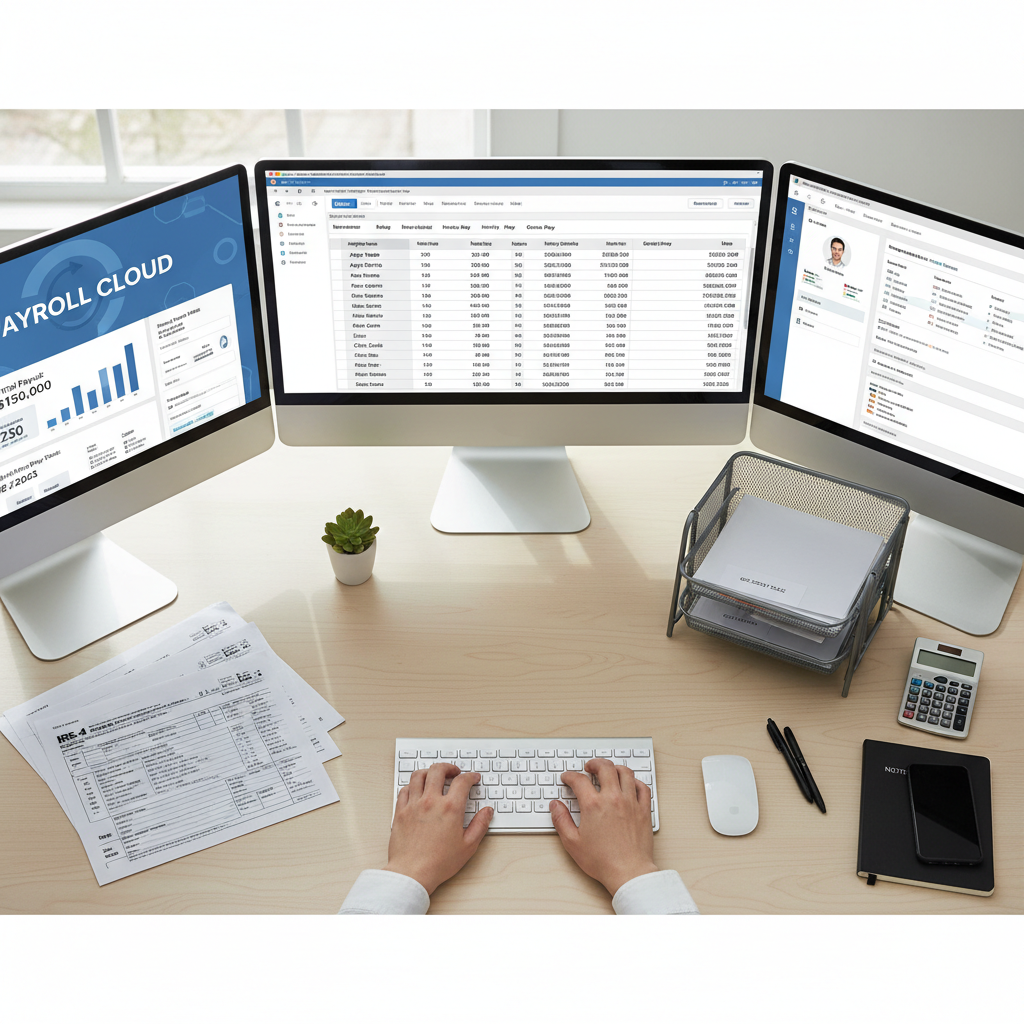
The Differences Between Bookkeeping and Payroll
While both bookkeeping and payroll involve financial data, they serve different purposes. Bookkeeping focuses on the overall financial landscape, while payroll centers specifically on employee compensation. Each requires a distinct set of skills and tools.
Why Small Business Owners Need Both
Maintaining both functions is vital for compliance and informed decision-making. Bookkeeping provides insights into your business's financial performance, while payroll ensures that your employees are paid correctly and on time.

Choosing the Right Tools and Services
There are many tools and services available to small business owners for managing bookkeeping and payroll. Cloud-based software solutions can automate many tasks, reducing errors and saving time. Consider consulting with a financial expert to choose the best options for your business.
By understanding the differences and importance of bookkeeping and payroll, small business owners can better manage their financial responsibilities, ensuring compliance and fostering growth.