
Common Bookkeeping Mistakes and How to Avoid Them
Understanding Common Bookkeeping Mistakes
Bookkeeping is a critical aspect of managing any business, big or small. Yet, many business owners find themselves making common mistakes that can lead to financial discrepancies and compliance issues. Identifying these errors is the first step in creating a more streamlined and accurate accounting process.

Not Keeping Receipts
One of the most frequent mistakes is failing to keep receipts. These documents are crucial for verifying expenses during audits. Without them, you might face difficulties proving certain expenditures, which can result in financial penalties or loss of deductions.
To avoid this mistake, implement a reliable system for storing receipts. Whether you prefer a physical filing system or a digital solution like a receipt scanning app, consistency is key. This practice not only helps during tax season but also provides a clear financial picture throughout the year.
Misclassifying Expenses
Misclassifying expenses can lead to inaccurate financial statements and tax filings. This mistake often occurs when businesses are unsure about how to categorize certain expenses or when they lack a comprehensive chart of accounts.
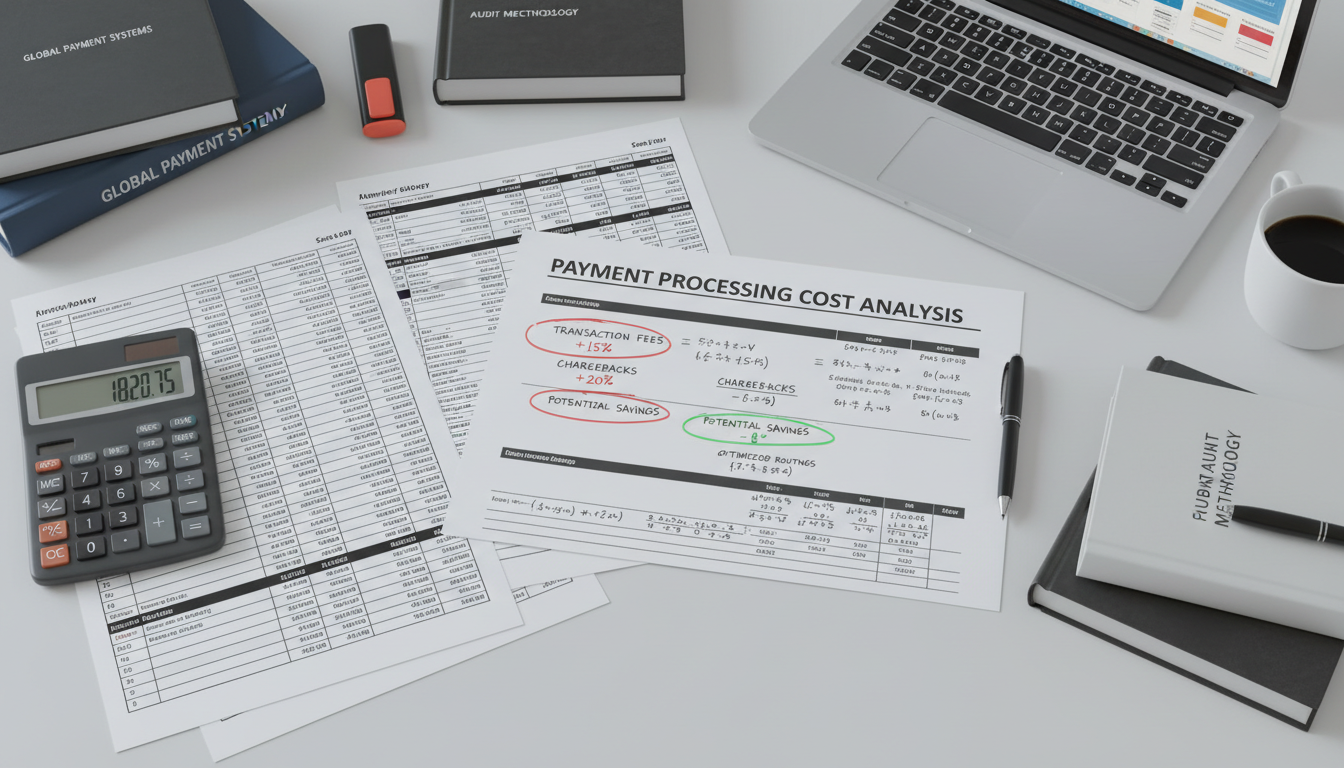
How to Properly Classify Expenses
To avoid misclassification, invest time in creating a detailed chart of accounts. This framework will guide you in categorizing expenses accurately. Additionally, consider consulting with a professional accountant to ensure you are compliant with current tax laws and regulations.
Failing to Reconcile Bank Accounts Regularly
Neglecting to reconcile bank accounts is another common error. Regular reconciliation helps identify discrepancies between your records and the bank's, ensuring the integrity of your financial data.
Setting a Reconciliation Schedule
To mitigate this risk, set a regular schedule for bank reconciliation. Monthly reconciliations are typically sufficient for most businesses. Use accounting software that can automate this process, reducing the room for human error and saving you valuable time.
Overlooking Petty Cash Management
Petty cash is often overlooked, but mismanagement can lead to significant discrepancies. Without proper tracking, petty cash expenses can go unrecorded, leading to incomplete financial statements.
Implementing Effective Petty Cash Controls
Establish a petty cash log and appoint a responsible person to manage it. Regular audits and reconciliations of the petty cash balance can prevent misuse and maintain accurate records.
Conclusion
Avoiding common bookkeeping mistakes requires diligence and a proactive approach. By implementing structured processes and leveraging technology, you can ensure accurate financial records. This not only helps in maintaining compliance but also supports better decision-making for your business's future.