Comparing Bookkeeping Software: Finding the Right Fit for Your Business
Understanding Your Business Needs
Choosing the right bookkeeping software is crucial for businesses of all sizes. The first step in this process is understanding your unique business needs. Are you a small startup with basic accounting requirements, or a larger enterprise with complex financial transactions? Identifying these needs will help you narrow down your options and choose software that aligns with your goals.
Consider the volume of transactions, the number of users, and the specific features you require. Some businesses may need inventory management, while others might prioritize payroll processing. Knowing what you need will guide your decision-making process.

Key Features to Look For
When evaluating bookkeeping software, focus on the features that will make your operations more efficient. Look for software that offers automated invoicing, expense tracking, and bank reconciliation. These features can save time and reduce errors, allowing you to focus on growing your business.
Another critical factor is scalability. As your business grows, your software should be able to accommodate increased data and more complex transactions. Ensure that the software you choose can grow with your business, providing new features and integrations as needed.
User-Friendliness and Support
Bookkeeping software should be user-friendly, with an intuitive interface that makes it easy for your team to navigate. Look for software that provides comprehensive training materials, tutorials, and customer support. Having access to these resources can make the transition smoother and help your team become proficient more quickly.
Cost Considerations
The cost of bookkeeping software can vary significantly, so it's essential to consider your budget. Some solutions offer tiered pricing, allowing you to choose a plan that fits your needs and financial constraints. Be sure to account for any additional costs, such as installation fees or charges for extra features.
While it's tempting to go for the cheapest option, don't compromise on quality. Investing in reliable software can save money in the long run by reducing errors and improving efficiency.
Comparing Popular Options
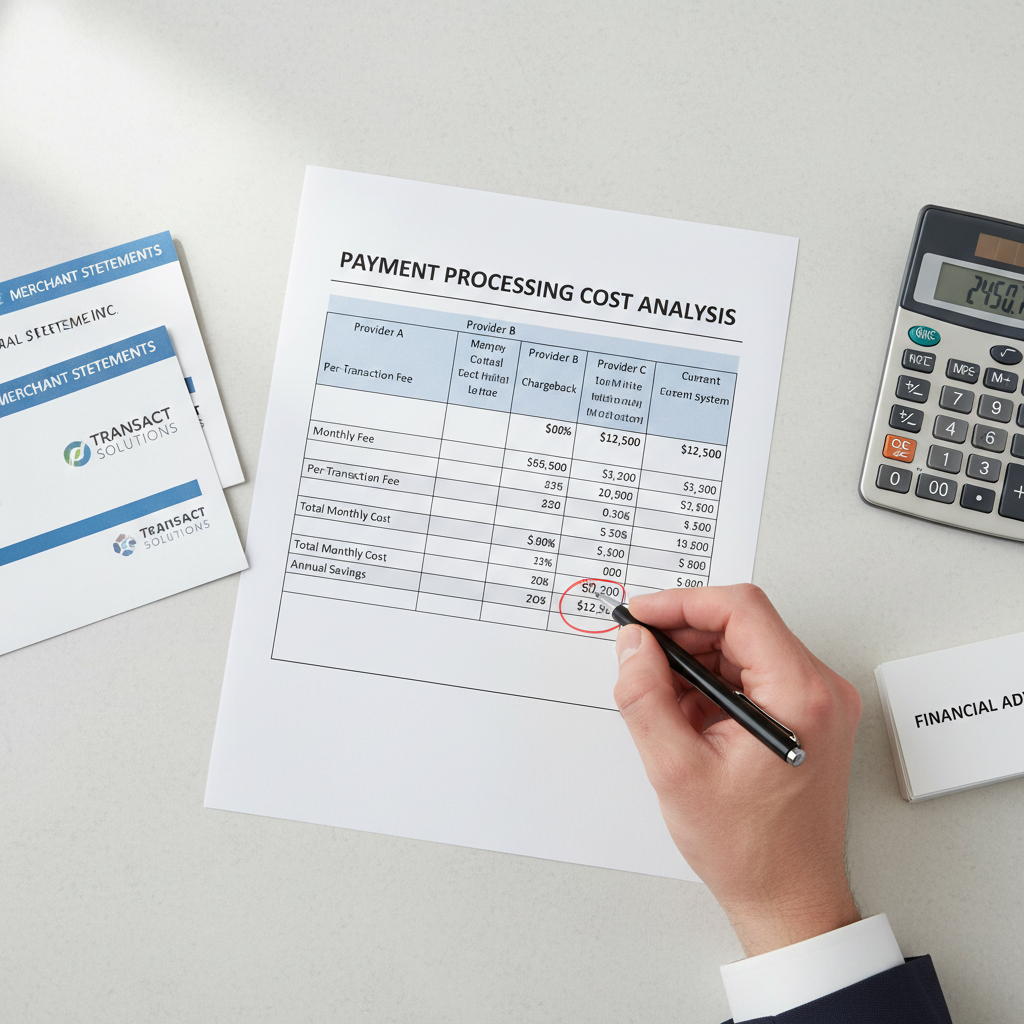
There are numerous bookkeeping software options available, each with its strengths and weaknesses. Popular choices include QuickBooks, Xero, and FreshBooks. QuickBooks is known for its comprehensive features and ease of use, while Xero offers strong integration capabilities and a clean interface. FreshBooks is particularly favored by freelancers and small businesses for its straightforward invoicing and time-tracking tools.
Assess each option based on your business needs and budget, and take advantage of free trials to test the software before making a decision.
Security and Compliance
Security is a critical consideration when selecting bookkeeping software. Ensure that the software you choose complies with industry standards and offers robust security features to protect your financial data. Look for features like data encryption, regular backups, and user access controls.
Compliance with financial regulations is also essential, particularly if your business operates in multiple jurisdictions. Make sure the software can handle the specific compliance requirements relevant to your industry.

Final Thoughts
Finding the right bookkeeping software for your business involves assessing your needs, comparing features, and considering costs. By taking the time to evaluate your options, you can choose software that not only meets your current requirements but also supports your future growth.
Remember, the right software can streamline your operations, reduce errors, and free up time to focus on what matters most—growing your business.