
Comparing Bookkeeping Software vs. Professional Services: Which is Right for You?
Understanding Your Options
When it comes to managing your business finances, choosing between bookkeeping software and professional services can be challenging. Both options offer unique advantages and can cater to different needs depending on the size and nature of your business. Understanding these differences is crucial in making the right decision.

Advantages of Bookkeeping Software
Bookkeeping software is often favored by small businesses and startups due to its affordability and ease of use. Many of these programs offer intuitive interfaces that make it easy to record transactions, generate reports, and keep track of expenses without needing extensive accounting knowledge.
One of the significant benefits of using software is its ability to integrate with other tools. For instance, many bookkeeping programs can sync with your bank accounts, allowing for automatic transaction updates. This integration can save time and reduce the chance of human error.
Benefits of Professional Services
On the other hand, professional bookkeeping services provide a personal touch that software cannot. An experienced bookkeeper can offer tailored advice and insights based on your specific financial situation. This personalized approach can be invaluable for businesses with complex financial structures.
Professional services also ensure compliance with the latest tax laws and regulations. This can be particularly beneficial for businesses that operate in multiple states or countries, where regulations might vary significantly.
Cost Considerations
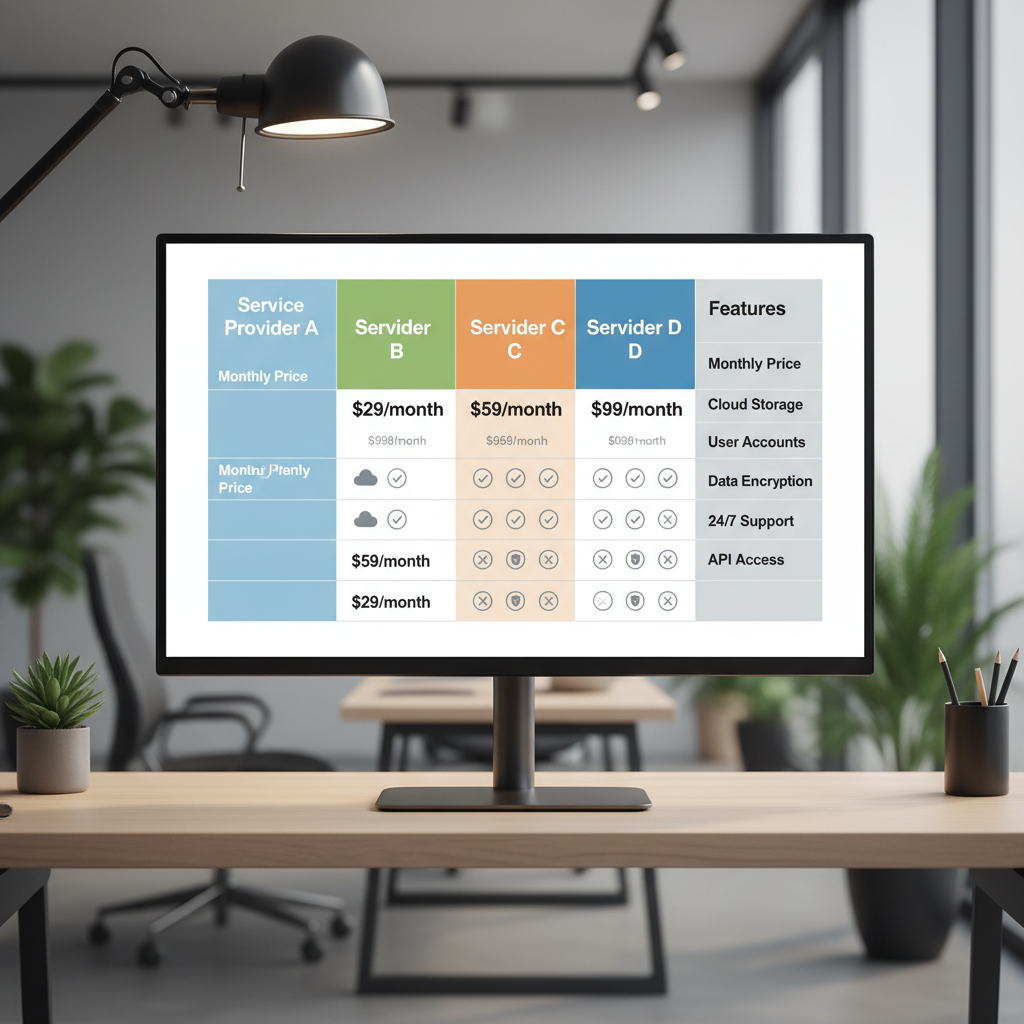
Cost is a critical factor for many businesses. Bookkeeping software typically involves a one-time purchase or a monthly subscription fee, which can be more economical for small businesses. However, it may not cover all your needs as your business grows.
Conversely, professional services often come with a higher price tag but can provide more comprehensive financial oversight. This can lead to long-term savings by ensuring accurate financial statements and optimizing tax liabilities.
Scalability and Flexibility
As your business grows, your financial needs will likely become more complex. Bookkeeping software can offer scalability through additional features and integrations, but it may still require manual oversight for more complicated tasks.
Professional services offer greater flexibility in handling complex financial scenarios, such as mergers, acquisitions, or international operations. An experienced bookkeeper can adapt their services to meet the changing needs of your business.
Making the Right Choice
Ultimately, the decision between bookkeeping software and professional services depends on your current business needs, budget, and future growth plans. Small businesses or startups might benefit more from the cost-effective nature of software, while larger enterprises with complex financial requirements might find professional services more suitable.
Consider your business's specific needs, and perhaps even try a combination of both to strike the perfect balance. Many businesses find success using software for day-to-day operations and professional services for strategic financial planning and compliance.