
Emerging Trends in Payroll Automation: What Your Business Needs to Know
As businesses increasingly embrace digital transformation, payroll automation emerges as a pivotal component in streamlining operations. By adopting the latest trends, companies can enhance efficiency, reduce errors, and ensure compliance. Let’s delve into some of the emerging trends in payroll automation that your business needs to know.
Cloud-Based Payroll Solutions
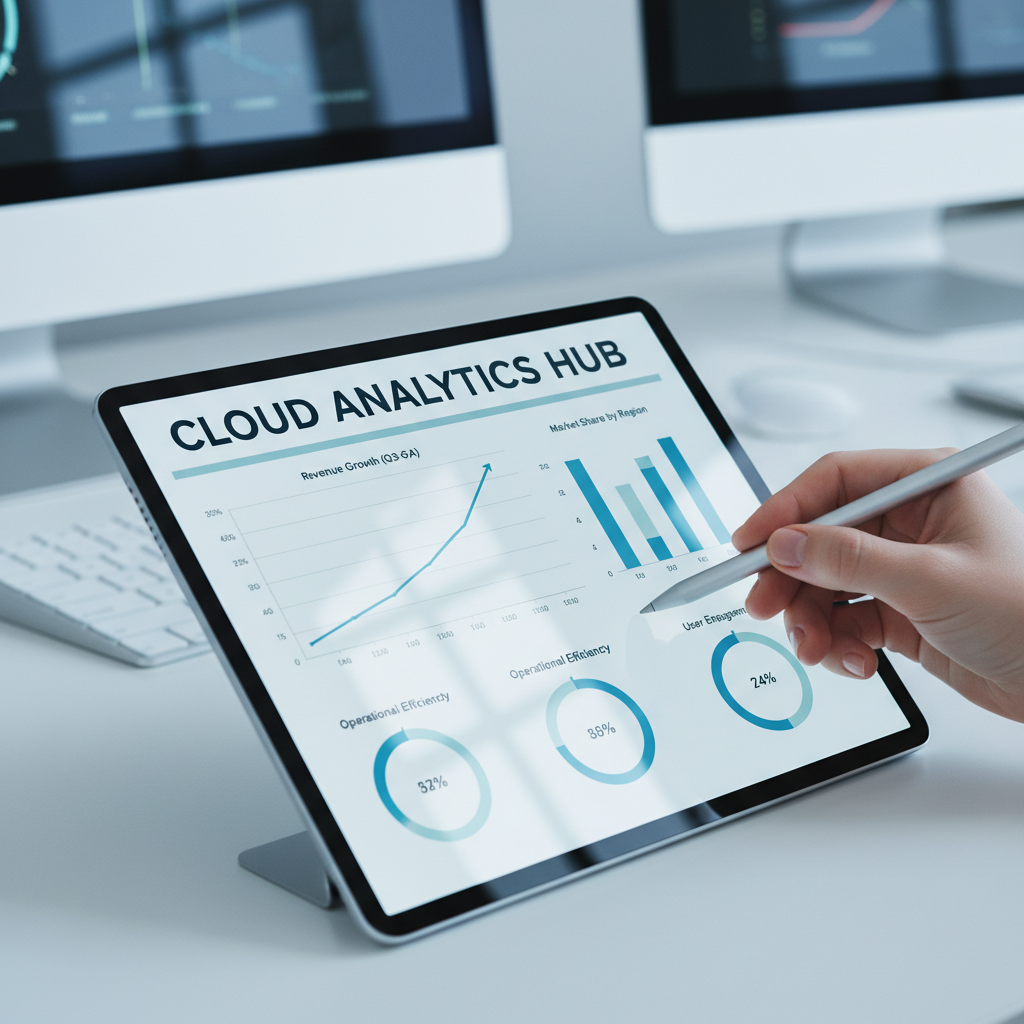
Cloud technology is revolutionizing payroll systems by offering scalability, flexibility, and accessibility. With cloud-based solutions, businesses can access payroll data from anywhere, ensuring that payroll processing is seamless and timely.
Moreover, cloud solutions often come with enhanced security features, protecting sensitive employee information from breaches and unauthorized access. The reduced need for physical infrastructure also means cost savings and easier updates.
Integration with Other Business Systems
Modern payroll systems are designed to integrate smoothly with other business applications, such as accounting, HR, and time-tracking software. This integration eliminates the need for manual data entry, reducing the risk of errors and ensuring consistency across various departments.
- Improved data accuracy
- Enhanced reporting capabilities
- Streamlined workflows
By automating data transfer and synchronization, businesses can make more informed decisions based on accurate, real-time data.
AI and Machine Learning in Payroll
The incorporation of AI and machine learning in payroll systems is a game-changer. These technologies can predict trends, automate repetitive tasks, and even identify discrepancies that may require human intervention.
AI-driven analytics provide insights into payroll expenses and workforce trends, enabling businesses to optimize labor costs effectively. Machine learning algorithms also enhance fraud detection by identifying unusual patterns in payroll data.

Enhanced Employee Self-Service Portals
Employee self-service portals are becoming more sophisticated, allowing staff to access their payroll information, update personal details, and manage benefits independently. This empowerment not only enhances employee satisfaction but also reduces the administrative burden on HR departments.
These portals often include features such as mobile access, chat support, and personalized dashboards, making the user experience more intuitive and efficient.
Compliance and Regulatory Updates
Keeping up with changing payroll regulations is a daunting task for many businesses. Automated payroll systems are now equipped to handle compliance requirements effectively, ensuring that businesses remain up-to-date with federal and state laws.
Automated updates save time and reduce the risk of costly fines or penalties due to non-compliance. This feature is particularly beneficial for businesses operating in multiple jurisdictions.

Focus on Data Security
With the increasing volume of sensitive payroll data being processed, ensuring data security is crucial. Modern payroll systems employ advanced encryption, multi-factor authentication, and regular security audits to safeguard information.
Businesses must prioritize systems that not only ensure data integrity but also provide detailed audit trails to track access and modifications to payroll data.
In conclusion, embracing these emerging trends in payroll automation can significantly enhance your business operations. By staying informed and investing in the right technologies, you can streamline processes, improve accuracy, and achieve greater compliance and security. As the landscape continues to evolve, staying ahead of the curve is essential for maintaining competitive advantage.