
How to Prepare for Tax Season: A Comprehensive Guide for Entrepreneurs
Tax season can be a daunting time for entrepreneurs, but with the right preparation, it can be manageable and even stress-free. Understanding the steps to take and the resources available can help ensure you are ready to tackle your taxes efficiently.
Organize Your Financial Records
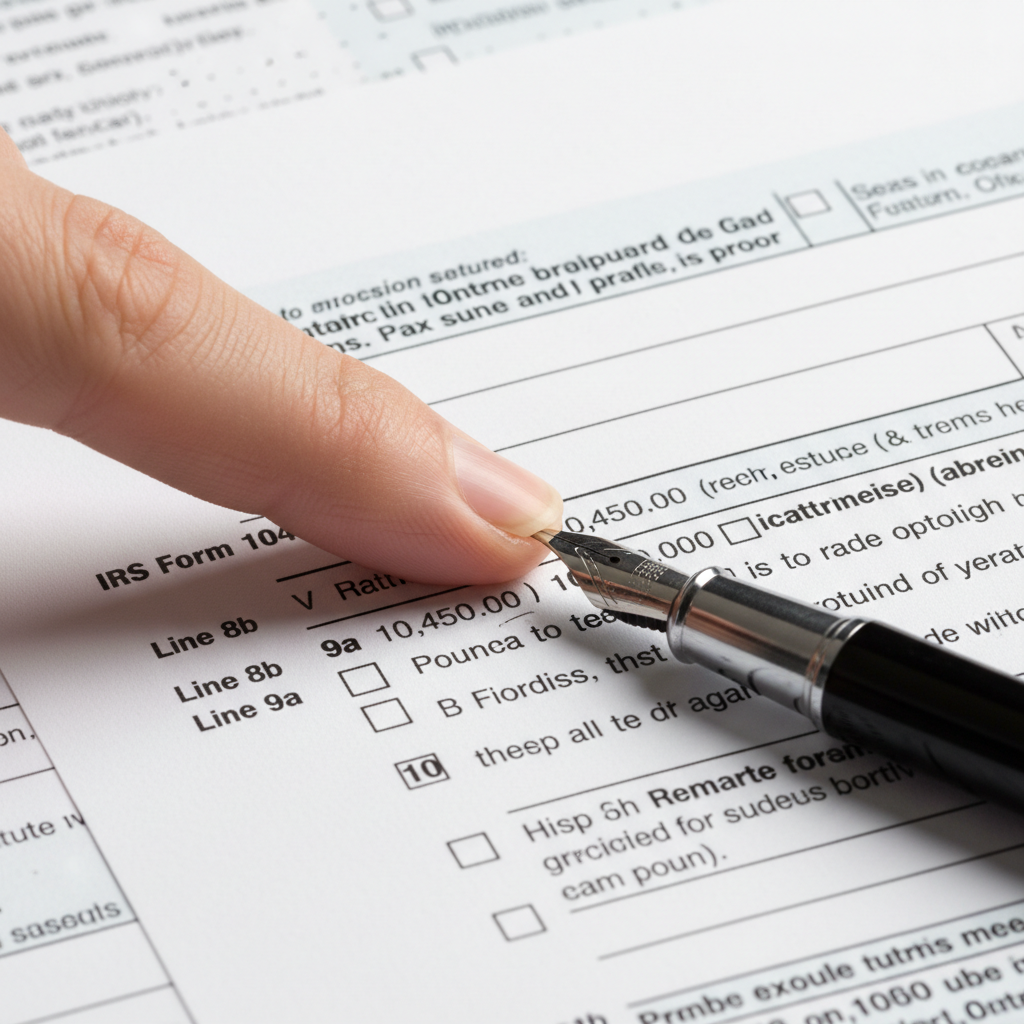
One of the first steps in preparing for tax season is organizing your financial records. This means gathering all receipts, invoices, bank statements, and any other documents that reflect your business transactions throughout the year. Keeping these records organized not only helps in filing taxes but also in tracking your business's financial health.
Use Accounting Software
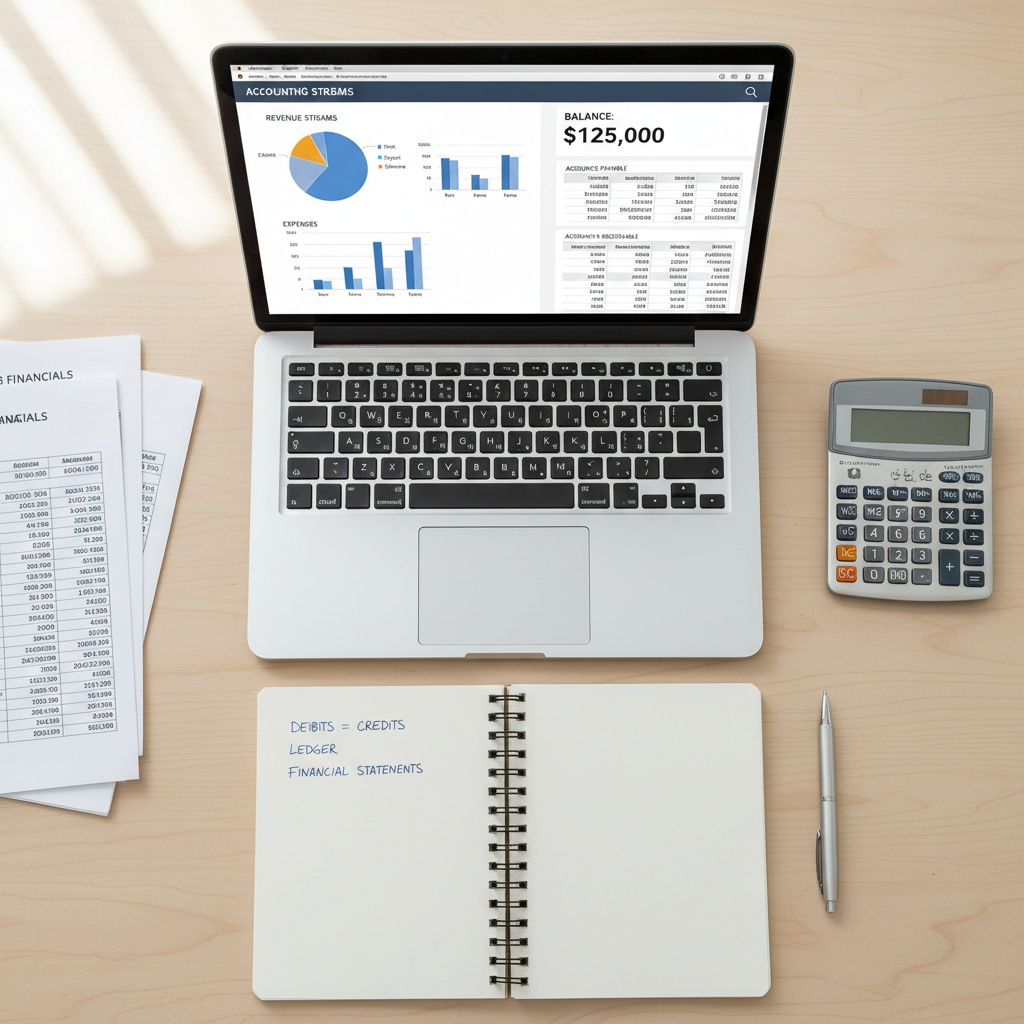
Consider using accounting software to streamline the process. Tools like QuickBooks or Xero can help you keep track of income and expenses, generate financial statements, and even assist in tax calculations. These platforms can save you time and reduce errors, making tax season less stressful.
Understand Deductible Expenses
As an entrepreneur, knowing which expenses are deductible can significantly reduce your taxable income. Common deductible expenses include office supplies, travel costs, and marketing expenses. Make sure to keep detailed records and receipts for these expenses to substantiate your claims.
Consult a Tax Professional
While it's possible to handle taxes on your own, consulting with a tax professional can provide valuable insights. They can help identify additional deductions you might have missed and ensure compliance with the latest tax laws. This guidance can be especially beneficial for complex tax situations.
Track Your Income Accurately
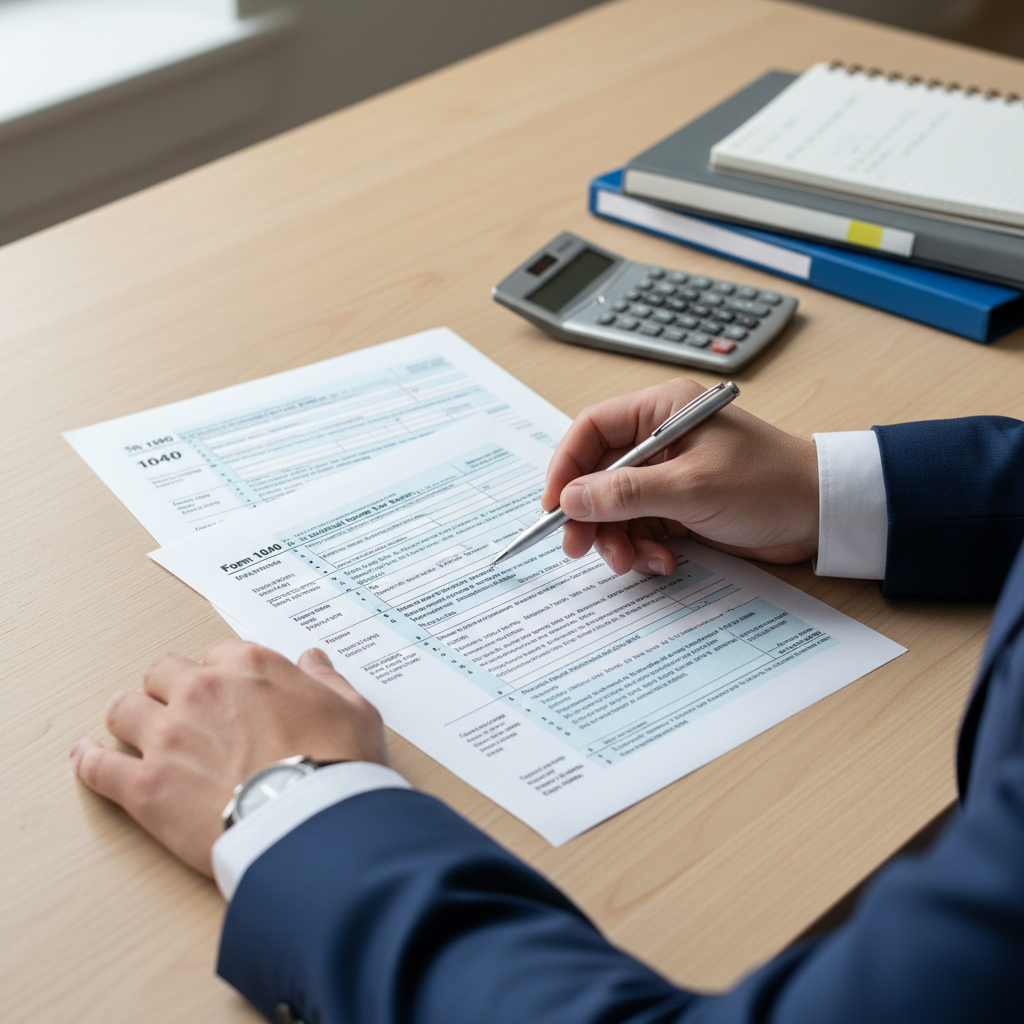
Accurate income tracking is crucial for tax preparation. Ensure that you have documented all sources of income, including sales, freelance work, and any other revenue streams. This will ensure that you report accurate figures on your tax return, avoiding potential audits or penalties.
Set Aside Money for Taxes
One common mistake entrepreneurs make is not setting aside money for taxes. It’s wise to save a portion of your income throughout the year to cover your tax liabilities. This practice can prevent financial strain when tax payments are due.

Stay Informed About Tax Deadlines
Missing a tax deadline can result in penalties and interest charges. Mark important dates on your calendar, such as the deadline for filing your return and the due dates for any estimated tax payments. Staying informed about these deadlines ensures you meet all obligations on time.
Review Previous Tax Returns
Reviewing past tax returns can provide insight into your filing patterns and help identify any changes needed for the current year. This review can also serve as a reminder of any carry-over deductions or credits you may be eligible for.