
Navigating Payroll Software Setup: Common Mistakes and How to Avoid Them
Understanding the Importance of Payroll Software
Implementing payroll software is a crucial step for businesses aiming to streamline their operations. The right software can save time, reduce errors, and ensure compliance with tax regulations. However, the setup process is often fraught with challenges that can lead to costly mistakes if not handled properly.
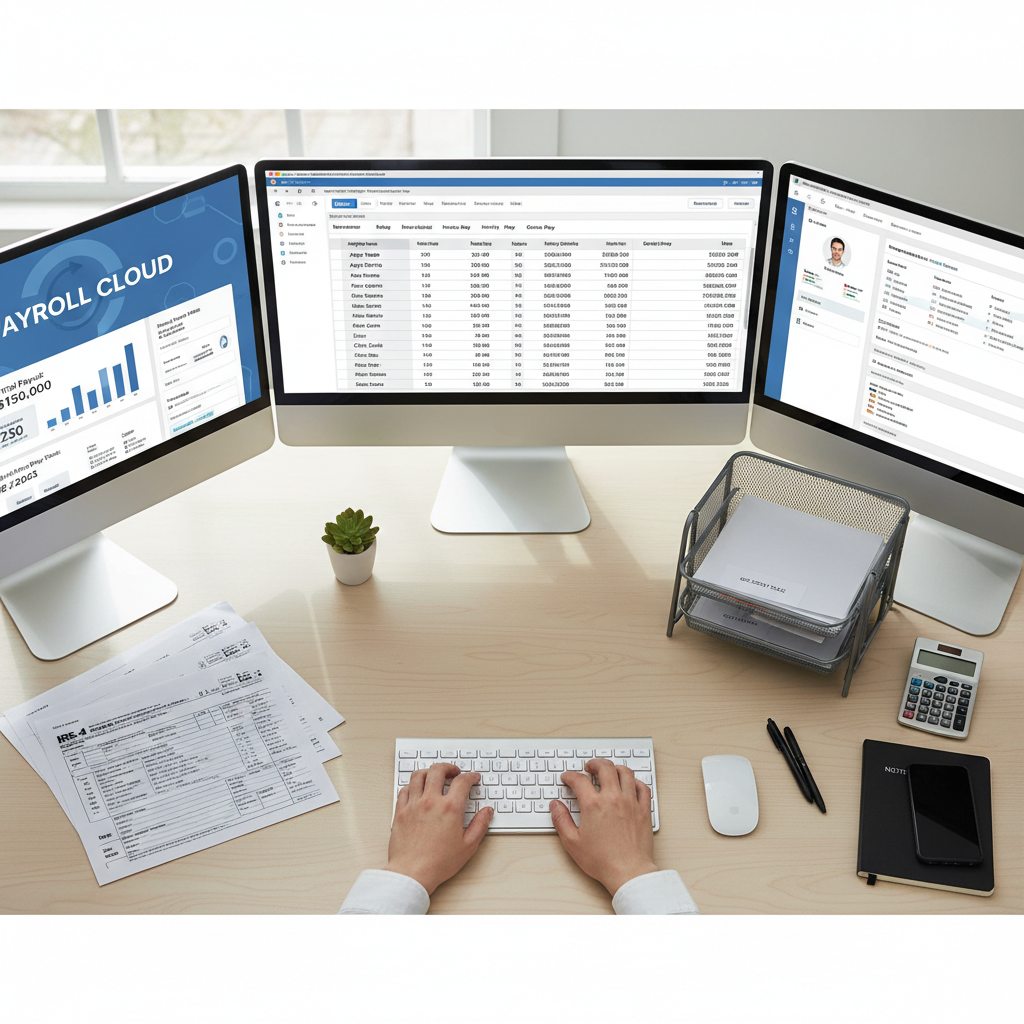
Common Mistakes in Payroll Software Setup
Choosing the Wrong Software
One of the most common mistakes is selecting software that doesn't align with your business needs. It's essential to consider factors such as the size of your company, the complexity of your payroll, and the specific features you require. Conduct thorough research and, if possible, take advantage of free trials to ensure a good fit.
Inadequate Training
Another pitfall is failing to provide adequate training for your team. Even the most intuitive software can be challenging to use without proper guidance. Ensure that all relevant staff members are trained on how to operate the software effectively.

Ensuring Data Accuracy
Incorrect Data Entry
Errors in data entry can lead to significant issues, such as incorrect tax calculations or delayed payments. Double-check all information input into the system, including employee details and tax codes, to minimize these errors.
Regular Updates and Maintenance
Neglecting software updates and maintenance can lead to security vulnerabilities and system inefficiencies. Regularly updating the software ensures that you have access to the latest features and security patches.

Best Practices for Successful Setup
Conduct a Needs Assessment
Before choosing a payroll system, conduct a thorough assessment of your business needs. Consider your company's size, industry, and specific payroll requirements. This will help you select the most suitable software solution.
Test the System Thoroughly
Before going live, conduct extensive testing of the software. This will help identify any potential issues and ensure that the system functions smoothly. Testing should include all aspects of payroll processing, including tax calculations and report generation.

Conclusion
Navigating payroll software setup can be challenging, but avoiding common mistakes can lead to a more efficient and effective payroll process. By choosing the right software, ensuring proper training, maintaining data accuracy, and adhering to best practices, businesses can optimize their payroll operations and enjoy the benefits of streamlined efficiency.