
Preparing End of Year Financial Statements: A Step-by-Step Guide
As the year draws to a close, businesses of all sizes turn their attention to preparing end of year financial statements. These documents are crucial for assessing financial health, making informed decisions, and planning for the future. In this guide, we'll walk you through the process step by step, ensuring you have everything you need to close out the year successfully.
Gather Financial Documents
The first step in preparing your financial statements is to gather all necessary financial documents. This includes invoices, bank statements, receipts, and any other records that reflect the financial activities of your business over the year. Having these documents organized and accessible will streamline the preparation process.
Review Transactions
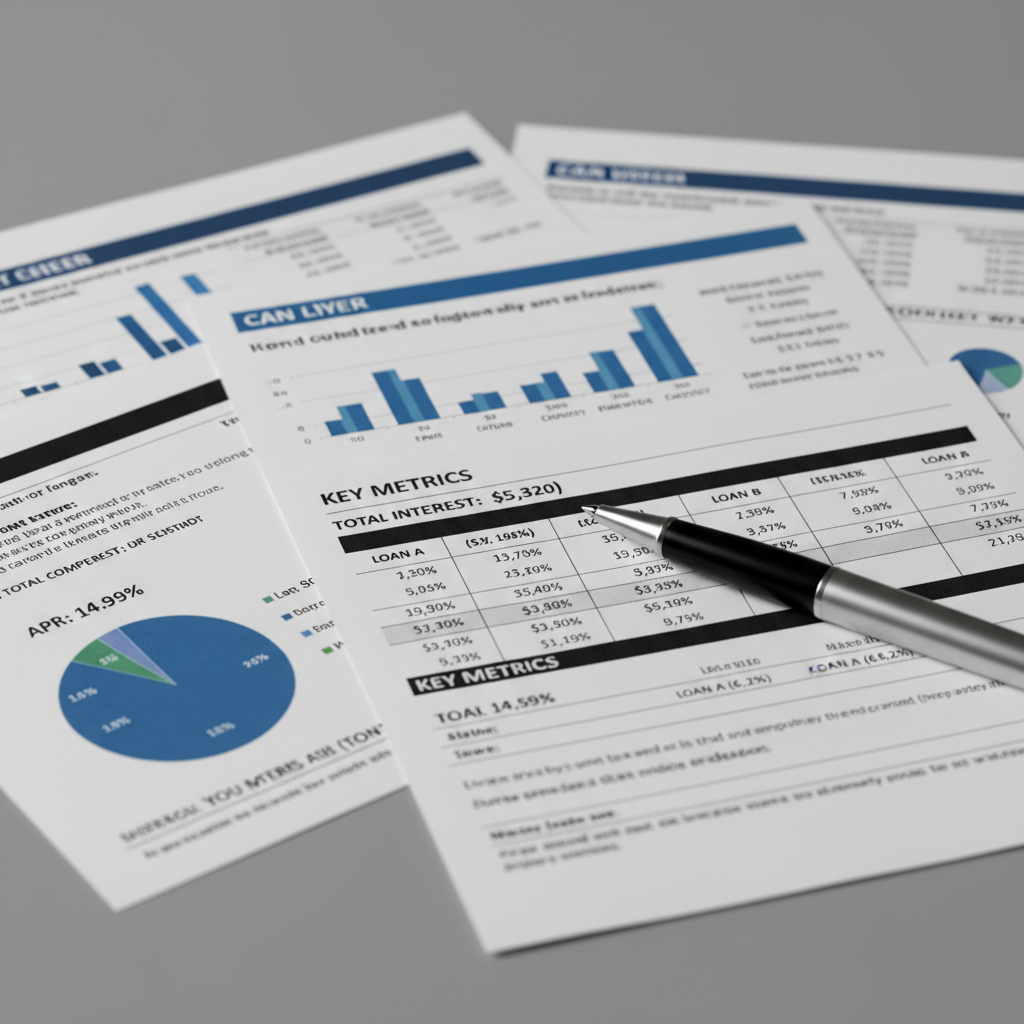
Once your documents are in order, review all transactions for accuracy. Ensure that all income and expenses have been recorded correctly. This is also an excellent time to reconcile your bank statements, identifying any discrepancies that need to be addressed.
Prepare the Income Statement
The income statement, or profit and loss statement, is a summary of your revenue and expenses over the year. Start by listing your total sales and subtracting the cost of goods sold to calculate gross profit. Then, deduct operating expenses to determine your net income.
Calculate Gross Profit
Gross profit is calculated by subtracting the cost of goods sold (COGS) from total sales. This figure provides insight into the profitability of your core business activities.
Determine Net Income
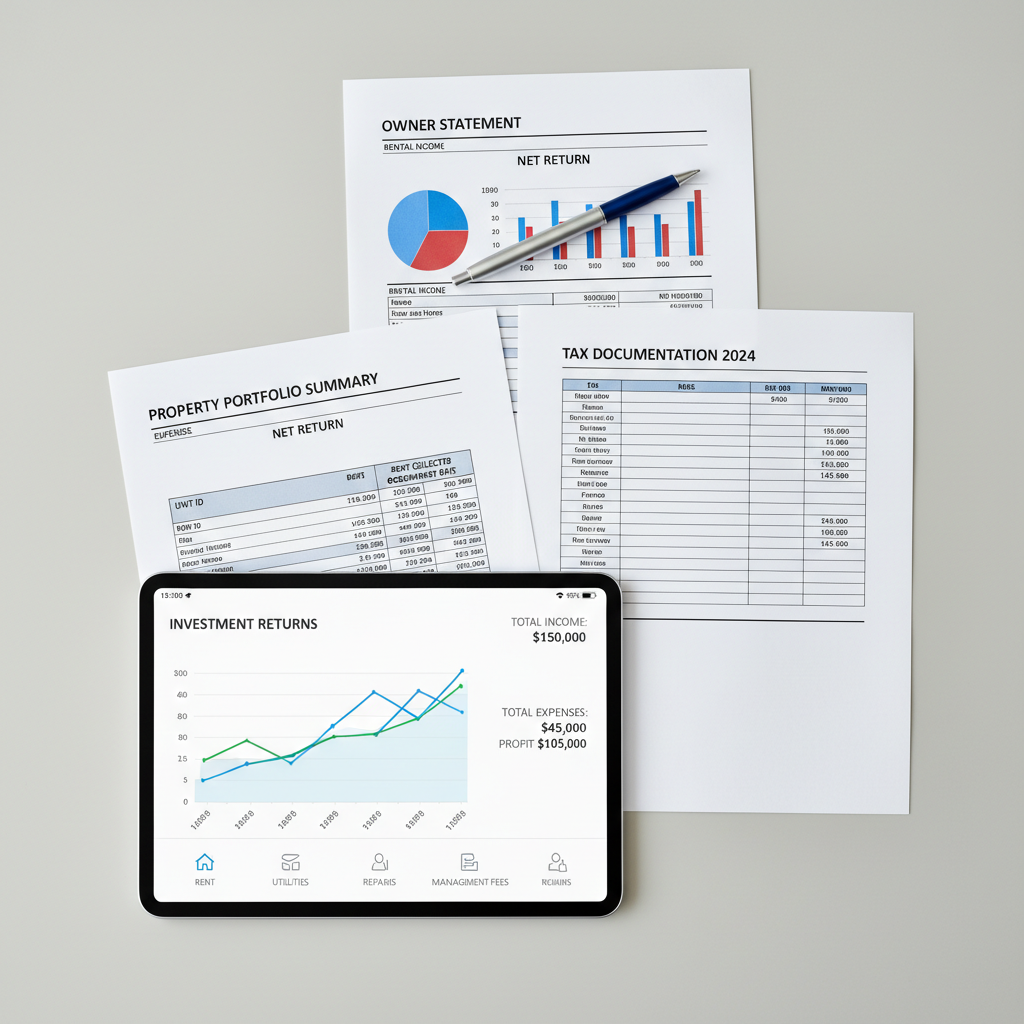
To find your net income, subtract total operating expenses from gross profit. This final figure represents the profit your business has made after accounting for all expenses.
Compile the Balance Sheet
The balance sheet provides a snapshot of your company’s financial position at the end of the year. It includes assets, liabilities, and equity. Start by listing all assets and their values, followed by liabilities, and finally, calculate owner’s equity.
List Assets and Liabilities
Assets include everything your business owns that has value, such as cash, inventory, and equipment. Liabilities are what your business owes, including loans and accounts payable. Balancing these figures is crucial for a comprehensive financial overview.

Calculate Owner's Equity
Owner’s equity is calculated by subtracting total liabilities from total assets. This figure represents the owner’s stake in the company and is a critical component of the balance sheet.
Review and Adjust
After preparing your financial statements, take the time to review them carefully. Look for any inconsistencies or errors and make necessary adjustments. This step ensures that your financial reports are accurate and reliable.
By following these steps, you can confidently prepare your end of year financial statements, providing valuable insights into your business’s financial health and setting the stage for a successful new year.