The Ultimate Guide to DIY Bookkeeping for Small Businesses
Understanding the Basics of DIY Bookkeeping
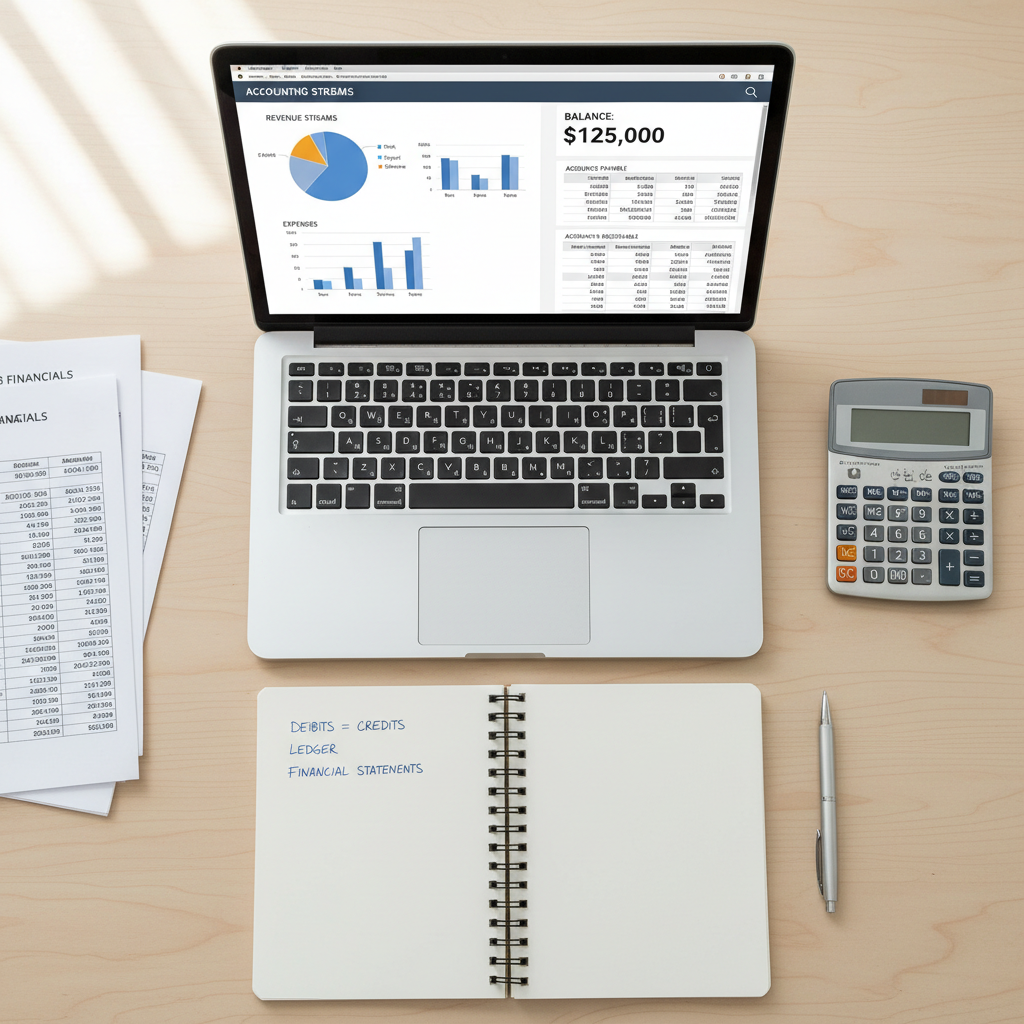
For many small business owners, bookkeeping can seem like a daunting task. However, by understanding the basics and implementing a few simple strategies, you can efficiently manage your business's finances. Bookkeeping involves recording daily transactions, which provides insight into your business's financial health.

Essential Tools and Software
Investing in the right tools is crucial for effective DIY bookkeeping. There are numerous software options available, such as QuickBooks, Xero, and Wave, which cater to different business needs. These tools help you track income, expenses, and generate reports, making the bookkeeping process simpler and more accurate.
Setting Up a Bookkeeping System
Creating a structured bookkeeping system is the first step towards financial organization. Start by setting up a dedicated business bank account and use it for all transactions. This separation between personal and business finances will streamline your record-keeping and ensure accuracy.

Recording Transactions
Consistently recording your business transactions is vital. This includes sales, purchases, and other financial activities. By keeping detailed records, you can easily track cash flow and make informed decisions about your business operations.
Managing Invoices and Receipts
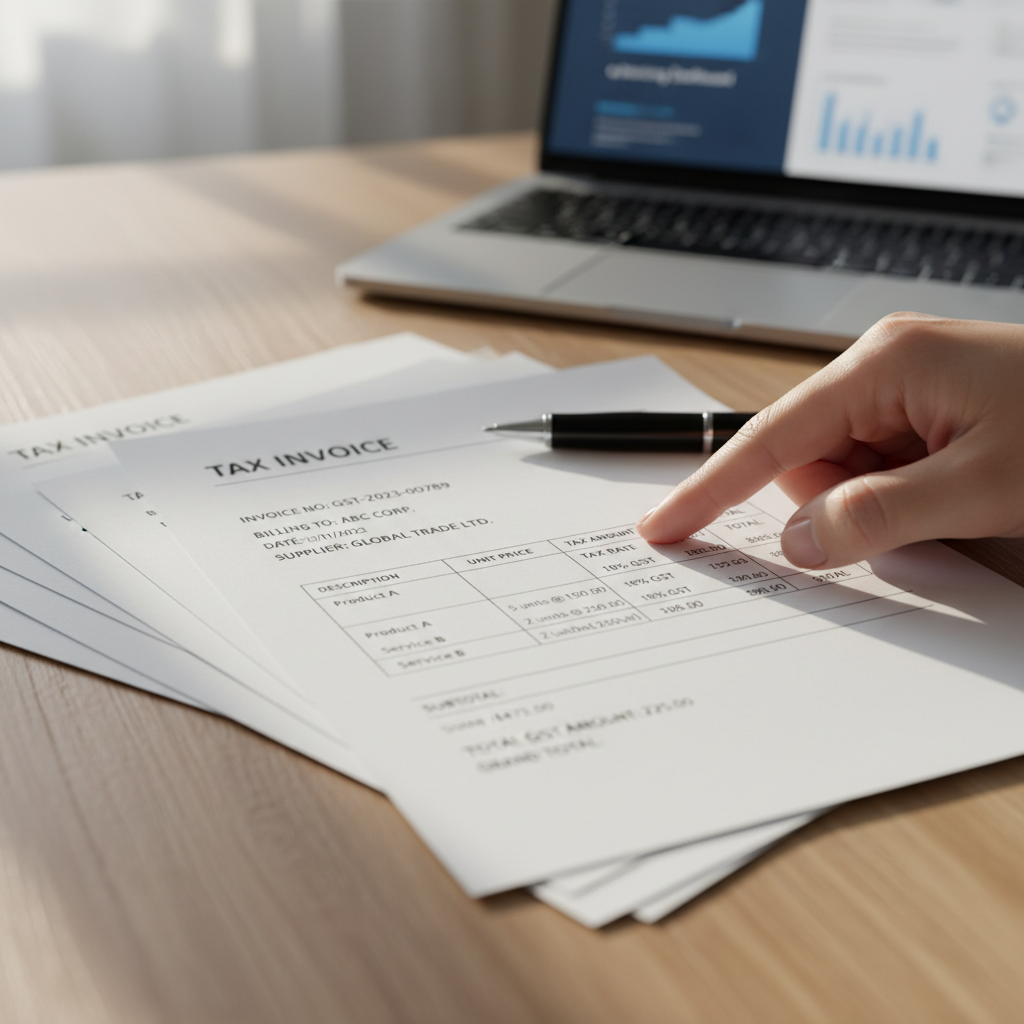
Keeping track of invoices and receipts is another important aspect of bookkeeping. Use digital tools to store and organize these documents to ensure you have a clear record of all financial exchanges. This practice will also simplify tax preparation and audits.
Reconciling Accounts
Regularly reconciling your accounts ensures that your records match your bank statements. This process helps identify discrepancies and errors, keeping your financial data accurate. Schedule monthly reconciliations to stay on top of your finances.
Generating Financial Reports
Financial reports provide valuable insights into your business's performance. Regularly generate reports such as income statements, balance sheets, and cash flow statements. These documents will help you assess profitability and identify areas for improvement.
Tax Preparation and Compliance
Staying compliant with tax regulations is essential for any business. DIY bookkeeping can help you keep track of deductible expenses and other tax-related information. Consider consulting with a tax professional to ensure you're meeting all legal requirements.
Continuous Learning and Improvement
Bookkeeping is a skill that improves with practice. Stay informed about the latest accounting trends and software updates to enhance your bookkeeping efficiency. Join online forums and communities to connect with other small business owners and exchange tips.