
The Ultimate Guide to Tax Preparation for Halifax Entrepreneurs
As an entrepreneur in Halifax, navigating the complexities of tax preparation can be daunting. However, with the right strategies and understanding, you can streamline the process and ensure compliance. This guide will walk you through essential tips and tricks to make tax season less stressful.

Understanding Your Tax Obligations
Before diving into tax preparation, it's crucial to understand your obligations as a business owner. Depending on the structure of your business—whether it's a sole proprietorship, partnership, or corporation—your tax responsibilities will differ. Make sure you are familiar with the specific requirements for your business type.
In addition to federal taxes, Halifax entrepreneurs must also consider provincial taxes. This includes harmonized sales tax (HST) and any applicable payroll taxes. Staying informed about these obligations will help you avoid unexpected liabilities.
Key Tax Deadlines
Marking your calendar with key tax deadlines is essential. For most businesses, the deadline for filing taxes is April 30th. However, if you are self-employed, you might have until June 15th to file, although any taxes owed must still be paid by April 30th to avoid interest charges. Keeping track of these dates can prevent costly penalties.

Organizing Your Financial Records
Efficient record-keeping is the cornerstone of smooth tax preparation. Ensure all your financial documents, such as invoices, receipts, and bank statements, are well-organized throughout the year. This will make the filing process much more manageable and minimize errors.
Consider using accounting software to keep track of your expenses and income. This technology can automate many processes, making it easier to generate financial reports and identify deductible expenses.
Tracking Deductible Expenses
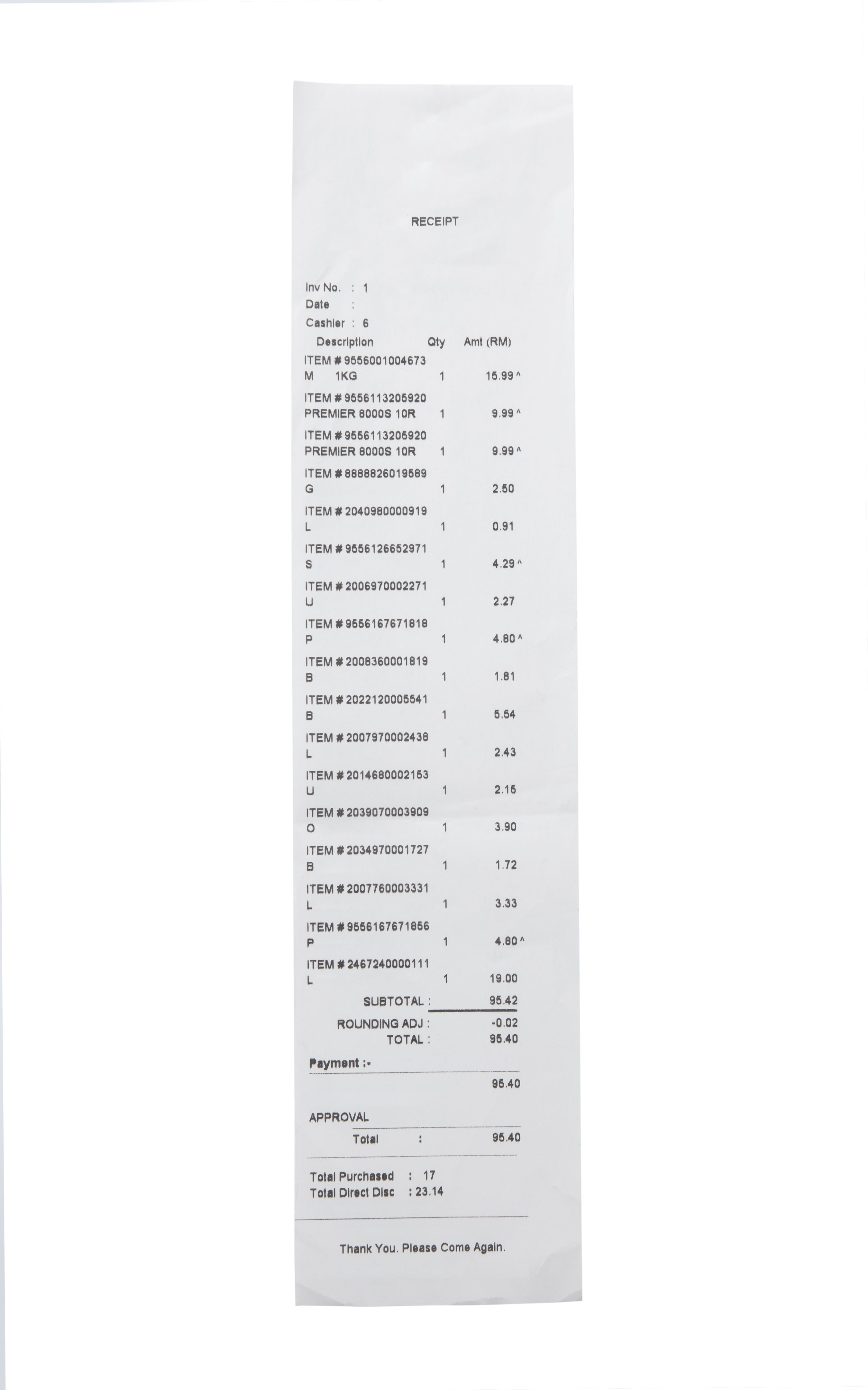
One of the benefits of running a business is the ability to deduct certain expenses from your taxable income. Common deductions include business-related travel, office supplies, and marketing costs. Ensure you keep detailed records and receipts to substantiate these deductions if audited.
Seeking Professional Help
While some entrepreneurs prefer handling their taxes independently, seeking professional help can be a wise investment. A tax professional can offer valuable insights, help you optimize deductions, and ensure compliance with all regulations. This can save you time and reduce stress during tax season.
Consider building a relationship with a local accountant who understands the specific challenges and opportunities in the Halifax business environment. Their expertise can be invaluable, especially if your tax situation is complex.
Staying Updated on Tax Laws
Tax laws and regulations are continually evolving. Staying updated on changes in tax policies can help you make informed decisions and avoid potential pitfalls. Subscribe to relevant newsletters or join local business groups to keep abreast of any updates that may impact your tax strategy.

By understanding your tax obligations, organizing your records, and seeking professional help when needed, you can simplify the tax preparation process. With proper planning and execution, you can focus on what matters most—growing your business in Halifax.