Understanding Business Accounting: A Comprehensive Guide for Nova Scotia Entrepreneurs
Introduction to Business Accounting
Understanding business accounting is essential for entrepreneurs in Nova Scotia. Whether you're launching a startup or managing an established company, a solid grasp of accounting principles can help steer your business toward success. From financial statements to tax regulations, accounting encompasses various aspects that are crucial for informed decision-making.

The Basics of Financial Statements
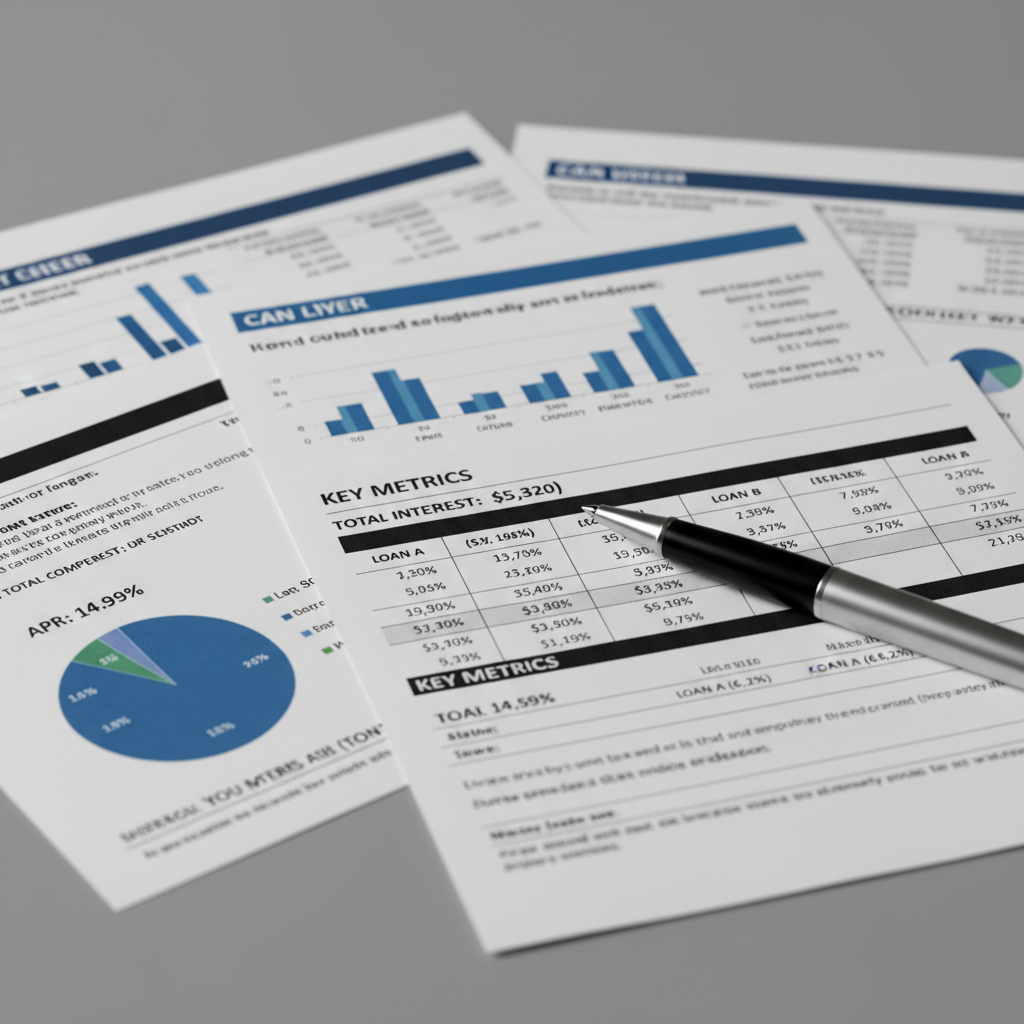
Financial statements are the backbone of business accounting. They provide a snapshot of your company's financial health, allowing you to assess performance and make strategic decisions. The three primary financial statements are the balance sheet, income statement, and cash flow statement.
Balance Sheet
The balance sheet offers a summary of your assets, liabilities, and equity at a specific point in time. It helps you understand what your business owns and owes, providing insights into its financial stability.
Income Statement
The income statement, or profit and loss statement, shows your company's revenues and expenses over a period. It helps you evaluate profitability and track performance trends.
Understanding Cash Flow
Cash flow is a crucial component of business accounting. It refers to the movement of money in and out of your business. Maintaining a positive cash flow ensures that your business can meet its obligations and invest in growth opportunities.
- Operating Activities: Cash generated from day-to-day business operations.
- Investing Activities: Cash used for investments in assets or securities.
- Financing Activities: Cash received from or paid to investors and creditors.
Taxation and Compliance in Nova Scotia
Entrepreneurs in Nova Scotia must navigate various tax obligations and compliance requirements. Understanding these responsibilities is vital to avoid penalties and ensure smooth operations.
Corporate Income Tax
Businesses in Nova Scotia are subject to federal and provincial corporate income tax. It's important to stay informed about tax rates and available deductions to optimize your tax strategy.

Sales Tax
The Harmonized Sales Tax (HST) applies to most goods and services in Nova Scotia. Entrepreneurs must register for HST, collect it on taxable sales, and remit it to the government.
Leveraging Accounting Software
Incorporating accounting software can streamline your financial management processes. These tools help automate tasks, reduce errors, and provide real-time insights into your financial status. Popular options include QuickBooks, Xero, and FreshBooks.
By leveraging technology, you can focus more on strategic planning and less on day-to-day accounting tasks, enhancing your business's efficiency and productivity.